
How a Protective Coating Extends the Life of Your Pavement
Asphalt sealing is one of the best ways to protect your driveway or parking lot for the long haul. It adds a barrier that blocks water, sun damage, oil stains, and cracks. When done on a routine schedule, it helps your pavement last years longer and keeps repair costs lower. If you want smooth, dark pavement that holds up through traffic and weather, this simple service makes a big difference.
Why Prevention Matters
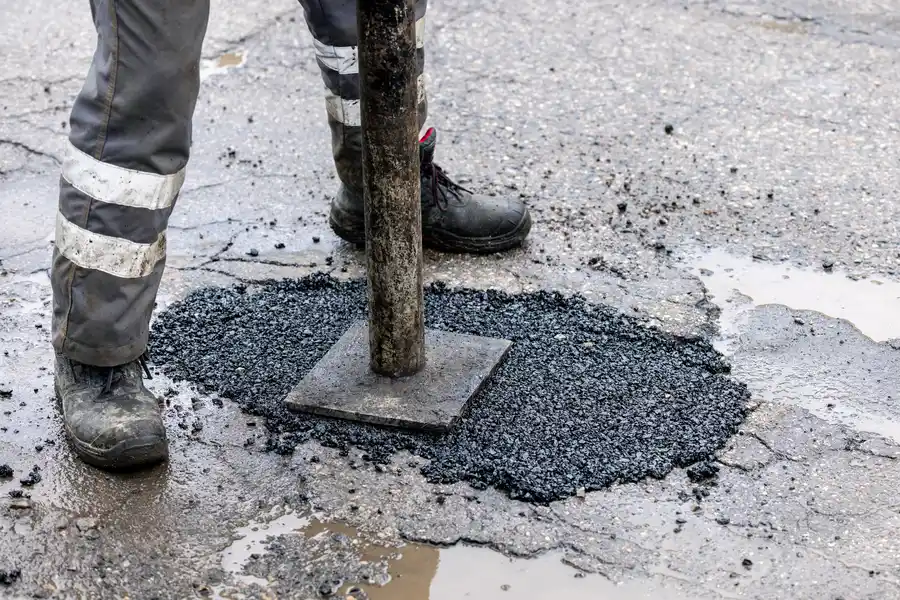
Asphalt may look tough, but it breaks down over time. Sunlight dries it out. Rain seeps into small cracks. Oil from cars weakens the surface. In cold areas, water freezes and expands, making cracks worse.
Without protection, small problems turn into big repairs. You might start with light fading and tiny cracks. A few seasons later, you may be dealing with potholes or damaged base layers. Asphalt Sealing helps slow that process down. It acts like sunscreen and a raincoat for your pavement.
Early Warning Signs
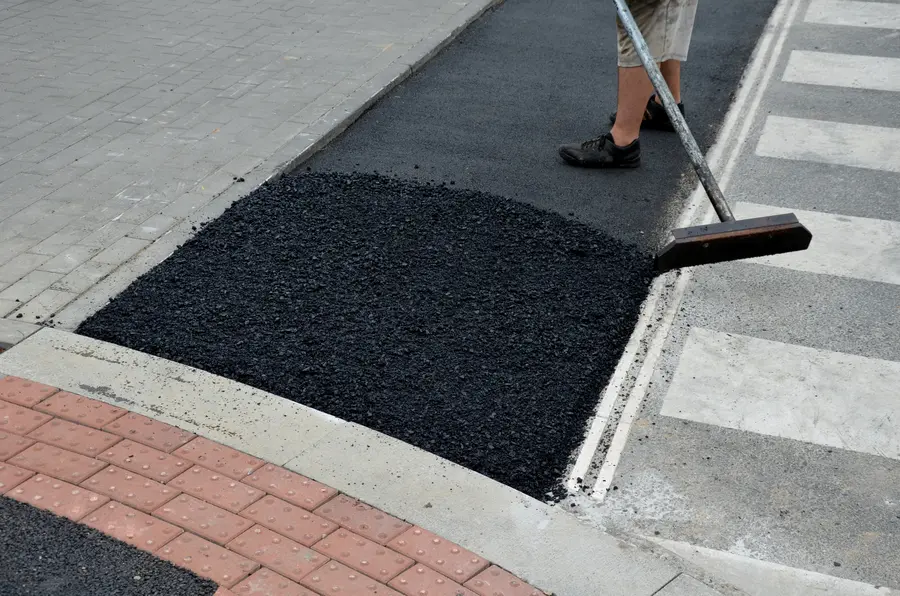
Before major damage appears, your pavement will send warning signs. Catching these early can save money and stress.
- Faded gray color instead of deep black
- Small surface cracks
- Rough or brittle texture
- Water soaking in instead of beading on top
- Oil spots that do not clean easily
If you notice one or more of these signs, sealing may be a smart next step. Waiting too long allows water to sink below the surface.
Seasonal or Routine Checklist
Regular care keeps asphalt in good shape. A simple checklist each year can help you stay ahead of damage.
- Inspect the surface in spring and fall.
- Clean off dirt, leaves, and debris.
- Fill small cracks before they spread.
- Check for drainage issues after heavy rain.
- Schedule asphalt sealing every 2 to 3 years, depending on traffic and weather.
For busy parking lots, more frequent service may be needed. High traffic wears down the surface faster. A consistent plan is part of smart pavement maintenance.
Best Practices for Long-Term Results
Timing and preparation matter. Sealing should be done in dry weather with mild temperatures. The surface must be clean and free of loose debris. Cracks should be filled first so the sealcoat bonds well.
It also helps to limit traffic while the coating cures. Driving on fresh sealcoat too soon can leave marks and reduce its life. Once fully set, the surface will look darker and smoother.
Good drainage is another key part of long-term care. Standing water weakens asphalt. Make sure downspouts and grading move water away from paved areas.
What Not to Do
Some common mistakes can shorten the life of your pavement.
- Skipping crack filling before sealing
- Applying sealcoat too often without need
- Sealing over wet or dirty pavement
- Ignoring large structural cracks
- Using low-quality materials
Sealing is a protective step, not a fix for major base problems. If the foundation under the asphalt has failed, patching or resurfacing may be needed before any coating is applied.
When to Schedule Professional Help
Small driveways may seem simple, but proper asphalt sealing takes skill and the right equipment. Uneven coverage can lead to peeling. Poor prep work can trap moisture under the surface.
If your pavement has widespread cracks, pooling water, or signs of sinking, a trained crew should inspect it. They can check for deeper issues and recommend the right plan. Professional service also saves time and helps you avoid costly redo work.
Protect Your Pavement for Years to Come
At AZ Asphalt Services, we help property owners protect their driveways and parking lots with reliable asphalt sealing and long-term pavement care. If you are in Lake Havasu City, AZ, our team is ready to inspect your surface and suggest a maintenance plan that fits your needs. Call us at (928) 236-9927 to schedule service or ask questions about keeping your asphalt in great shape for years ahead.